

The Bella Amor Global Aid Foundation, in partnership with the Nigeria Customs Service (NCS), has provided mattresses, clothing and food items to no fewer than four thousand Almajiri children in Kano State as part of efforts to improve their welfare and living conditions.
The intervention, under the foundation’s Boy Child Life Matters Initiative and More Feed Project, marked the second phase of its support programme for vulnerable Almajiri children in the state on Tuesday.
Speaking during the exercise, President and Founder of the Bella Amor Global Aid Foundation, Ambassador Mirabel Etuk, said the initiative was driven by her concern over the poor living conditions of many Almajiri children in northern Nigeria.
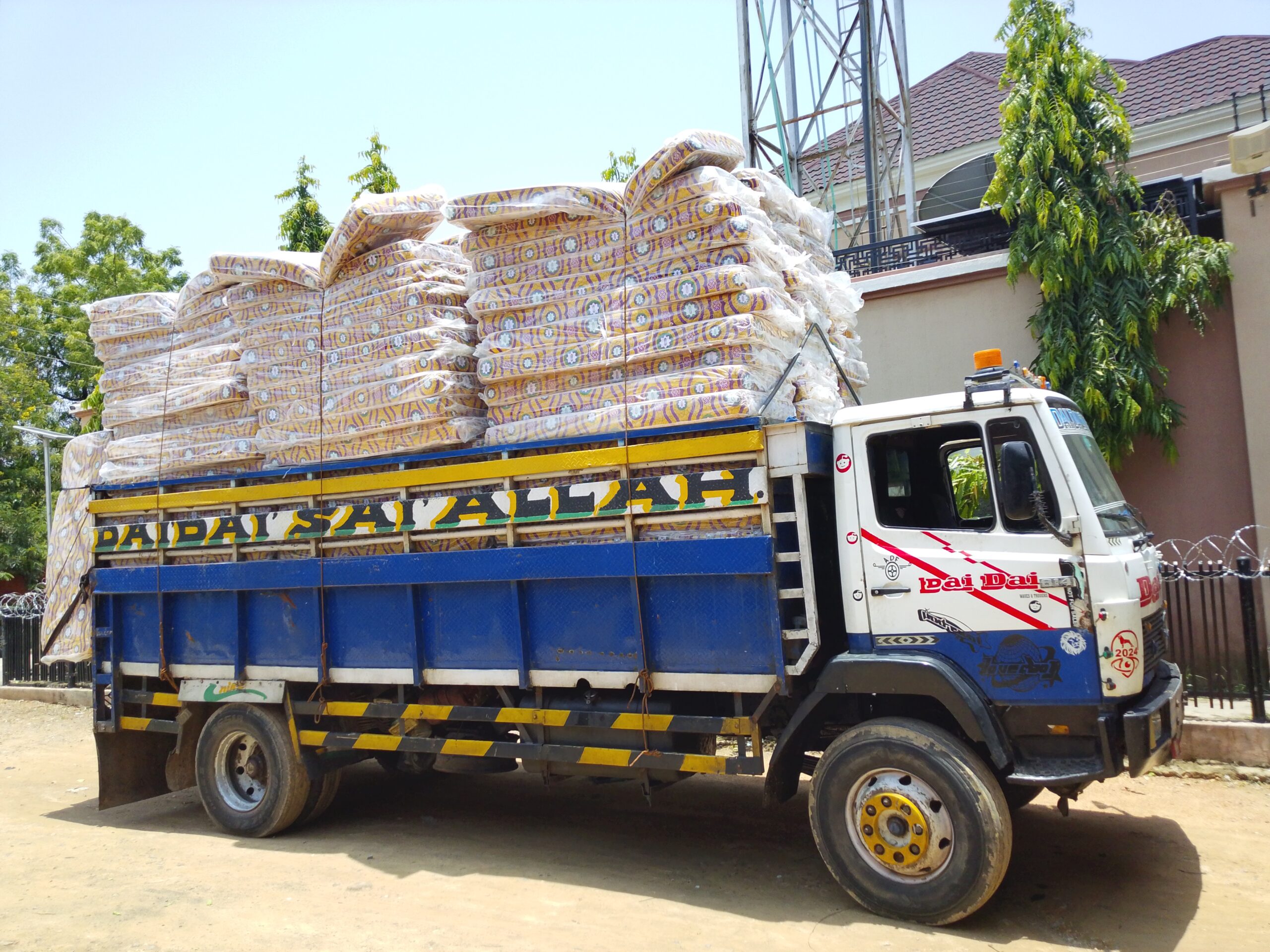
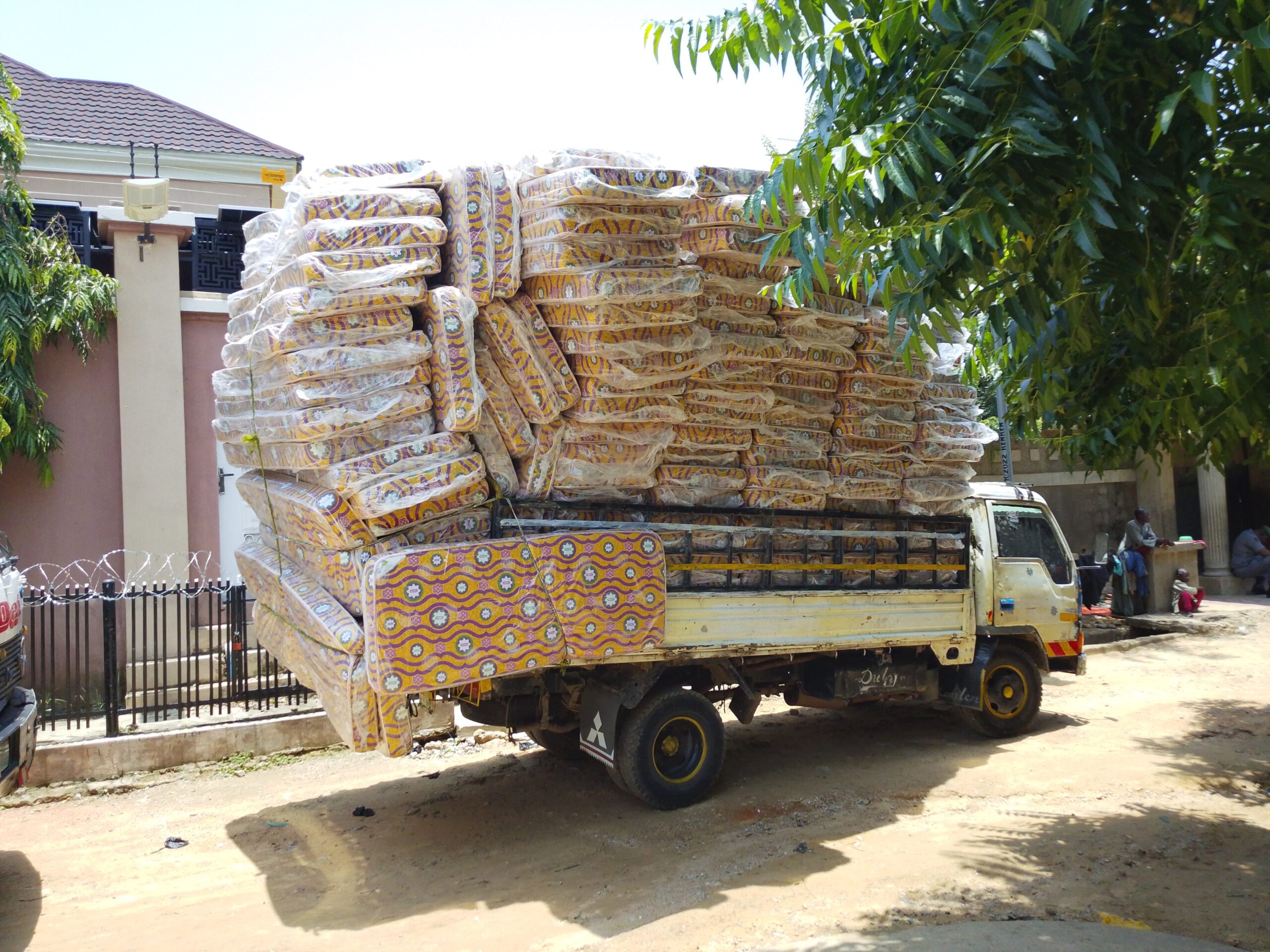
Etuk said the foundation had previously visited the children in May, when it distributed clothing and food items, but observed that many of them were sleeping on bare floors and broken mats.
She said the situation prompted her to approach the Comptroller-General of the Nigeria Customs Service, Bashir Adewale Adeniyi, to seek support for a second phase of the intervention.
“I realised that their sleeping condition was really poor. I noticed they were all sleeping on bare floors, even broken towels,” Etuk said.
According to her, the response from the Customs Service led to the provision of mattresses, additional clothing and food items for the children.
She explained that the initiative goes beyond immediate relief, noting that the foundation also intends to introduce skills empowerment as part of its broader effort to improve the future prospects of vulnerable boys.
Etuk described the partnership with the Nigeria Customs Service as one of the best things to have happened to the foundation, commending the Service for its support for vulnerable communities through its corporate social responsibility initiatives.
She said the Customs Service had also been involved in projects including school renovations, support for vulnerable people and the provision of shelters.
The foundation’s president disclosed that Bella Amor Global Aid Foundation had carried out similar interventions in several states, including Lagos, Ogun and Kano.
She said the organisation focuses on child welfare advocacy, combating gender-based violence and drug abuse, while implementing projects such as the More Feed Project, Boy Child Life Matters Initiative and Girl Child Life Matters Initiative.
Etuk also commended the proprietors and teachers of the Almajiri schools, popularly known as Sangayas, for their efforts, but called for greater government and institutional support.
She urged authorities and other organisations to provide the children with better access to food, clothing, education, skills training and other basic necessities.
“Children are the future, but these children right now need more nurturing and more tutoring. They need more than they are getting right now,” she said.
She stressed that improving the welfare of Almajiri children should be treated as a collective responsibility, noting that targeted interventions could help give the children a more dignified childhood and better opportunities for the future.
While making her remarks, the Assistant Comptroller-General of Customs and Zonal Coordinator in charge of Zone ‘B’, ACG Nsikan Patrick Umoh, commended the Director of one of the Islamic Schools (Tsangaya), Makaranta Dubu, Goron Dutse, Malam Nafiu Muhammed, and his staff for their dedication to the education and welfare of the Almajiri students.
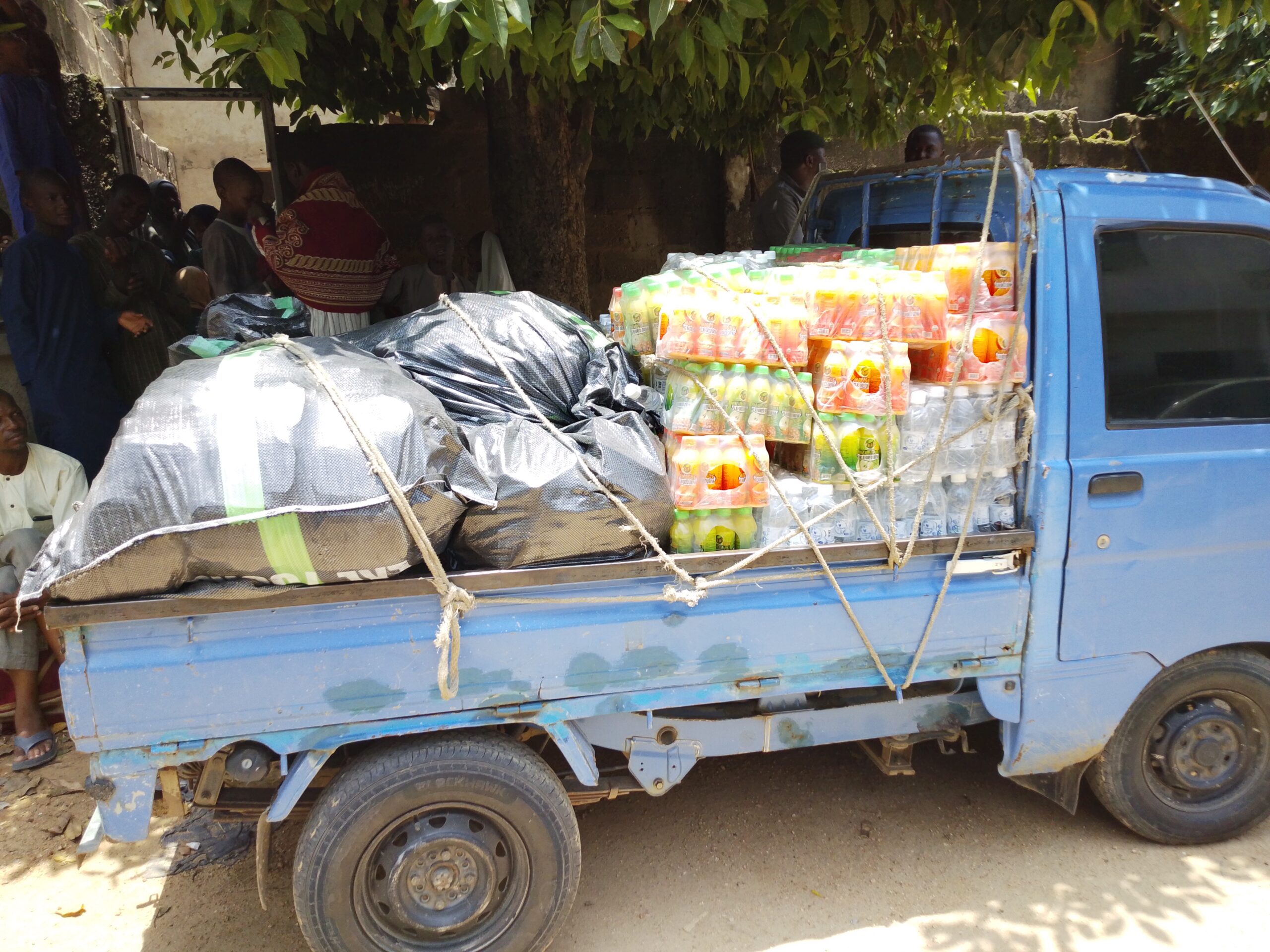
She said their efforts were helping to shape the lives of the students and prepare them to become productive citizens who would contribute meaningfully to the development of the country.
Umoh noted that the Comptroller-General of Customs, Bashir Adewale Adeniyi, was aware of the selfless efforts of the school management, which prompted the Nigeria Customs Service to partner with and support the initiative as part of its contribution to national development.
She reiterated that the latest intervention was in fulfilment of an earlier pledge by the Service to continuously support the school by providing essential social welfare items to improve the living and learning conditions of the students.
The ACG, however, stressed that the Customs Service would put appropriate monitoring and evaluation mechanisms in place to ensure that the relief materials reached the intended beneficiaries and were used for their intended purposes.
“The CGC has identified that you, the Mallams, cannot handle this responsibility alone without public support. That is why he activated this initiative to boost your morale and appreciate your efforts in bringing up these children,” Umoh said.
Also speaking, Comptroller MP Ibrahim, National Coordinator of Corporate Social Responsibility (CSR) of the Nigeria Customs Service, said the Service would soon deploy medical doctors to assess the health conditions of the students and recommend appropriate interventions to improve their overall well-being.
She urged the school coordinators to ensure that the relief materials were properly distributed and utilised in accordance with established ethical standards to guarantee lasting impact on the beneficiaries.
According to her, the Customs Service’s CSR framework is structured around six priority areas: education, healthcare, social investment, environmental sustainability, food security and support for the creative economy.
She explained that the initiatives were designed to strengthen communities hosting Customs formations and provide targeted interventions in areas where they were most needed.
Ibrahim added that the current intervention aligned with one of the Service’s core areas of social responsibility, noting that the Customs Service would continue to identify other areas requiring intervention.
In his remarks, the Director of one of the Islamic Schools (Tsangaya), Malam Nafiu Muhammed, appreciated the Nigeria Customs Service, under the leadership of Comptroller-General Bashir Adewale Adeniyi, for the humanitarian gesture and the distribution of relief materials to the students.
He assured the Service that the school management would ensure the relief items were properly utilised and that only the intended beneficiaries benefited from the intervention.
Malam Muhammed, however, appealed for further support from the Customs Service in critical areas, including the installation of solar panels, provision of electric fans and supply of medications, to improve the welfare of the students and create a more conducive environment for learning.