
By Yakubu Salisu
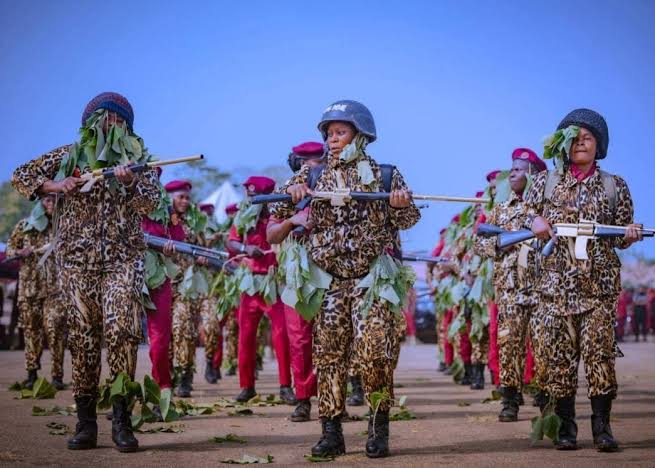
The apparent silence and reduced visibility of the Western Nigeria Security Network, popularly known as Amotekun, at a time when insecurity continues to challenge parts of Southwest Nigeria, has become a source of concern for residents of the region.
Established in 2020 by the governors of the six Southwest states, Amotekun was conceived as a regional security outfit designed to complement conventional security agencies in tackling kidnapping, banditry, armed robbery, and other violent crimes.
The initiative was widely celebrated as a homegrown response to growing security threats and was expected to leverage local knowledge, community intelligence, and rapid response mechanisms to safeguard lives and property.
Six years after its creation, however, questions are increasingly being asked about the outfit’s visibility and effectiveness.

Recent incidents of kidnapping, including the abduction of schoolchildren and their teachers in Oyo State, attacks on farmers, and other violent crimes linked to armed groups have renewed concerns about the capacity of the security network to fulfill its original mandate.
At its inception, no doubt, Amotekun enjoyed strong public support from traditional rulers, community leaders, and residents who believed it would significantly improve security across forests, farmlands, and rural communities.
The outfit was expected to serve as a formidable deterrent against criminal elements and provide swift intervention whenever threats emerged.
Today, you will agree with me that Amotekun no longer occupies the prominent position it once held in regional security discussions. Unlike its early years, the outfit rarely makes national headlines, leading many to wonder whether it still maintains the operational strength and influence required to address the region’s security challenges.

Several factors may have contributed to this perception. A background check points to inadequate funding, insufficient equipment, manpower shortages, and jurisdictional overlaps with federal security agencies as possible obstacles affecting the outfit’s effectiveness. These challenges, undermine the confidence citizens once placed in the initiative.
The situation also raises broader questions about political commitment. Were the state governments fully prepared to sustain the security outfit beyond its launch, or was its creation largely driven by political pressures at the time? While such questions may be difficult to answer, they remain relevant in assessing the current state of the organization.
The Southwest remains one of Nigeria’s most economically significant regions, contributing substantially to national commerce, agriculture, and industry. Any perception that criminal elements are gaining ground could have far-reaching social and economic consequences, affecting investments, farming activities, and public confidence.
As efforts continue nationwide to combat insecurity, residents of the Southwest deserve clear answers regarding the status of Amotekun. More importantly, there is a need to evaluate whether the network still possesses the operational capacity, resources, and political backing required to carry out its responsibilities effectively.
The success or failure of Amotekun ultimately goes beyond the fortunes of a single security outfit. It reflects the broader challenge of ensuring that innovative local security initiatives are adequately supported, properly coordinated, and sustainably funded to protect the communities they were created to serve.
This article is written by Yakubu Salisu and can be reached via: yaksman248@gmail.com